13-day small group tour | Active pace | Maximum 16 travellers
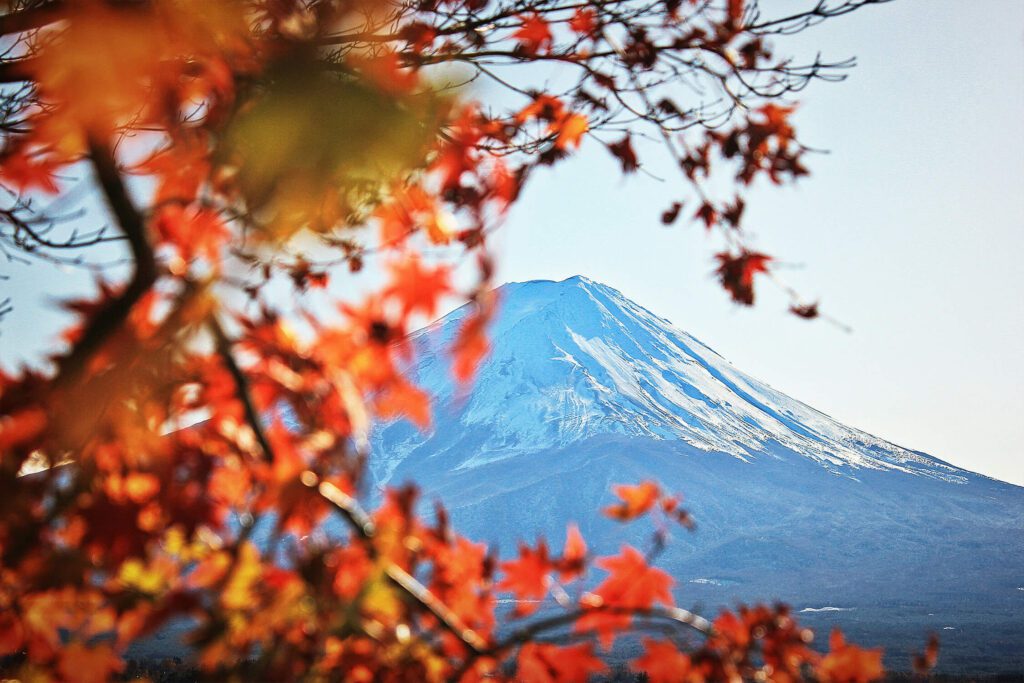
Japan has two great seasons of colour. Spring is the one most people know. Autumn is the one many Japanese people follow closely.
They call it koyo. By mid-November, maple leaves are usually turning in temple gardens and on mountain paths, while ginkgo avenues begin to glow gold beside palace walls.
This 13-day small-group tour moves from Osaka to Hiroshima and Miyajima, through Nara and Kyoto to Hakone and Tokyo. It combines gardens, food, rail travel, shrines, traditional arts and autumn colour, with the practical details handled carefully along the way.
Japan rewards good planning. Hotel location, luggage movement, station transfers, walking routes and the balance between private transport and public transport all affect how the days feel. This tour has been built with those details in mind.
Why this route
The route has been shaped as a progression rather than a city checklist.
Osaka opens with food, markets and urban energy. Hiroshima and Miyajima bring in history, reflection and island shrine culture. Nara and Kyoto form the cultural core of the tour, with temple gardens, old streets, bamboo, markets and a private tea ceremony with a Maiko. Hakone changes the pace with mountain air, hot springs and the luggage transfer that keeps the overnight stay simple. Tokyo closes the tour with old Edo, river gardens, food markets, shrine spaces and the scale of the modern city.
The value is not only in the places named on the route. It is in how they are connected, where the group stays, how the luggage is handled, when we use public transport, and where private transport makes the day work better.
A Note from the Curator
Japan is often sold as bullet trains, neon lights and busy crossings. And yes, that is part of it. But spend a bit of time there, and you start noticing something else too: the rhythm of things, the restraint, and the way the seasons matter.
In autumn, you notice it everywhere. Maples deepen around temple ponds. Ginkgo trees turn along city streets. In Hakone, the mountain air gets cooler around the onsen while the forests change on the slopes. It is still Japan, still busy in places, but the season makes you slow down and look properly.
We shaped the route to move through those contrasts properly. Osaka gives you food, bustle and city energy. Hiroshima and Miyajima bring in memory, landscape and shrine culture. Nara and Kyoto slow the pace, with gardens, temple precincts, old merchant lanes and the discipline of Japanese arts. Hakone gives the group a mountain pause before Tokyo closes the tour with old Edo, river gardens, markets and the scale of contemporary Japan.
For transport, we use a mixed approach. Private coaches where they make sense. Shinkansen, local trains, ferries and city transport where that is part of the experience. It does mean walking through stations and moving with the group, but it also lets you see Japan as people actually use it, not only from behind coach windows.
Elizabeth
Seagull Travel & Tours
The Reading Room
A little context before departure tends to make the tour richer. None of these are required, but they may add another layer to the places and stories encountered along the way.
To Read
The Inland Sea — Donald Richie
A reflective account of travel through Japan’s inland waters and smaller places, useful context for the tour west to Hiroshima and Miyajima.
Memoirs of a Geisha — Arthur Golden
Fiction rather than history, but useful before time in Gion and the private Maiko encounter.
The Old Capital — Yasunari Kawabata
A quiet Kyoto novel attentive to seasons, textiles, temples and restrained social rhythms.
To Watch
Jiro Dreams of Sushi
A documentary about craft, repetition and shokunin, the Japanese idea of a lifelong dedication to one’s work.
Is This Tour Right for You?
The Walking
Japan is a walking destination, and there is no way around that. On some days the group may cover 8 to 12 kilometres at a steady sightseeing pace, with temple stairs, uneven paths, station platforms and city streets. You need to be comfortable on your feet and able to keep up with the group.
The Urban Logistics
Japan’s rail system is part of the tour, not just a way to get from A to B. It works beautifully, but the stations are big and busy. We use the Shinkansen bullet trains, local trains, ferries and city transport where they give the group a better experience than a coach. You do need steady mobility, and you must be happy to move through public spaces with the group.
The Season
November is cool and often clear, particularly in the mountains. Temperatures vary between city and mountain areas, and rain is possible. Layers, a waterproof outer layer and well-worn walking shoes are essential.
The Pace
This is not a coach tour or a sequence of quick photo stops. We stay longer in fewer places, use Japan’s transport systems, and allow enough time for gardens, markets, shrine paths and neighbourhoods to register. The pace is active, but deliberate.
Who Is This Tour Designed For?
This tour suits travellers who want Japan arranged properly, not rushed.
It is for guests who enjoy gardens, food, culture, history, transport and daily rhythm as much as the famous sights. It will suit travellers who:
- enjoy small-group travel
- are comfortable with an active pace and regular walking
- value depth over a rushed list of cities
- want to experience Japan through gardens, food, transport and daily rhythm as well as its well-known sights
- prefer the practical complexity of Japan to be managed well in advance
It is also for travellers who understand that hotel location, luggage arrangements, station movement and good routing can make a major difference in Japan.
We travel with a maximum of 16 guests. At this size, it is easier to move through stations and city streets, easier to manage restaurants, and generally calmer across the day.
What to Pack
Layers for changing temperatures
City days can be mild while Hakone is cooler, particularly in the mornings and evenings. Bring clothing that allows you to add and remove layers comfortably.
Waterproof outer layer
November weather can be clear, but rain is possible. A small travel umbrella and light waterproof jacket is more useful than a heavy coat.
Walking shoes
Properly worn-in, supportive shoes are essential for temple paths, stairs, station platforms and city streets.
Small overnight bag for Hakone
Main luggage is transferred from Kyoto to Tokyo on the Hakone night. Pack an overnight bag with what you need for one evening and the following morning.
Temple respect
Shoulders and knees should be covered when visiting temple and shrine precincts. A light cardigan or scarf is useful.
Evening clothing
Hotels and restaurants are relaxed. Comfortable, neat clothing is more useful than dressing up.
Frequently Asked Questions
Why travel in autumn rather than spring?
Autumn is Japan’s second great season of colour. The itinerary is timed for mid-November, when temple gardens, mountain forests and ginkgo avenues are changing. The season also suits the route well, particularly Miyajima, Kyoto, Hakone and Tokyo.
How active is the tour?
This is an active walking tour. Guests should be comfortable walking 8 to 12 kilometres on some days, using station stairs and moving at a steady sightseeing pace.
Why do we use trains and public transport?
Japan’s rail system is often the most practical and revealing way to travel through its cities. We use private coaches where they help, and trains, ferries and local transport where they are part of the experience.
What happens to my luggage in Hakone?
Main luggage is couriered from Kyoto to Tokyo. You pack a small overnight bag for the Hakone stay.
Do South African passport holders need a visa?
South African passport holders require a visa for Japan. Requirements can change, so please confirm current requirements with us at the time of booking.
How does tipping work?
A set gratuity amount is confirmed before departure and collected by the tour leader at the start of the tour.
Can I join from outside South Africa?
Yes. We regularly assist travellers joining from elsewhere and can advise on the most practical routing.
Is there a single supplement?
Yes. Please contact us for current pricing and availability, as single accommodation is limited.
Why is the group limited to 16 travellers?
Japan works better at this size. It makes station movement, restaurant arrangements and touring through busy city areas more manageable, while keeping the group experience calmer.
Is there independent time in Tokyo?
Yes. The final morning in Tokyo is free before the transfer to the airport.
Still deciding?
Japan has a great deal of practical detail behind it. Walking level, luggage movement, train stations, hotel location, November weather and the Hakone overnight all matter.
If you would like to talk through whether this tour suits the way you like to travel, ask us. We are happy to help you think it through properly.