A Note from Elizabeth
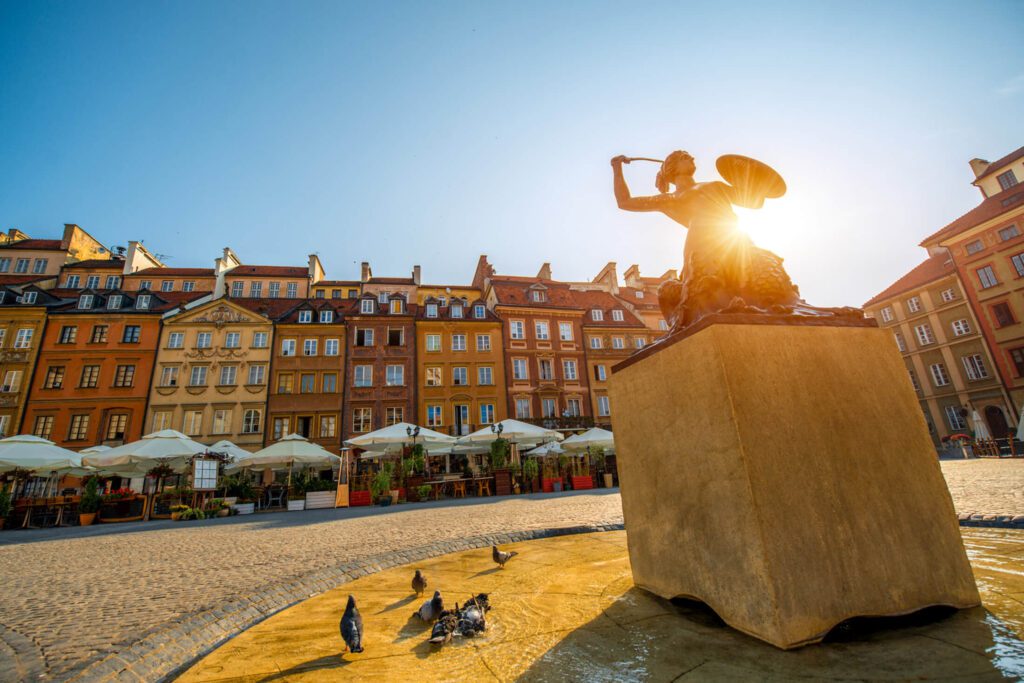
When we started mapping this route, I first saw the visible things: Hamburg’s red brick, the Hanseatic towns, Berlin still carrying its 20th-century geography, Dresden put back with care, and Warsaw’s Old Town standing again after terrible destruction.
But the more we worked on the route, the clearer it became that this is not just a neat list of cities. It works best as a historical tour from north to east. You start with the old trading towns, then move into Berlin, Dresden and Poland, where the questions of war, rebuilding and memory become more direct.
The Hanseatic towns of Lübeck, Wismar and Stralsund still read as trading cities. Dresden is still dealing with what was lost and restored. Warsaw’s Old Town was reconstructed using historical records, architectural plans, photographs and 18th-century paintings as guides.
By the time you reach Warsaw, the route has built on itself. It is about trade, cities, damage, memory and rebuilding, but always through real places you have just seen.
Elizabeth
Seagull Travel & Tours
In brief:
This is a 16-day Germany to Poland tour, departing 23 April 2027 and ending 8 May 2027. The route runs from Hamburg to Warsaw, with a maximum of 16 travellers. The same guide accompanies the group throughout. A Johannesburg group departure is available, and travellers may also ask about joining internationally.
- Dates: 23 April to 8 May 2027
- Duration: 16 days
- Route: Hamburg to Warsaw
- Destinations: Hamburg, Lübeck, Wismar, Stralsund, Berlin, Potsdam, Dresden, Wrocław, Kraków, Częstochowa and Warsaw
- Group size: maximum 16 travellers
- Guide arrangement: the same guide accompanies the group from Hamburg to Warsaw
- Departure options: Johannesburg group departure available; international join option available
What Makes This Tour Different
A large coach can cover many of the same cities. With 16 travellers, the group can move more quietly and easily, especially in older centres, museums and memorial sites.
The same guide accompanies the group from Hamburg to Warsaw. That gives the tour continuity. It also helps connect the Hanseatic towns, Berlin, Potsdam, Dresden, Wrocław, Kraków, Częstochowa and Warsaw into one route with a reason for moving from one city to the next.
The group is capped at 16 travellers. That matters in Old Town centres, museums, churches, palace grounds and memorial sites, where moving quietly and keeping together is part of doing the tour properly.
Seagull manages the practical arrangements and the rhythm of the route. That is important on a tour like this. The value is in how the places are connected, the smaller group size, the guiding continuity and the fact that the main arrangements are handled properly before you arrive.
Is This Tour Right for You?
The Walking
This is an active sightseeing tour. On relevant walking days, expect approximately 4 to 5 kilometres at a steady sightseeing pace. Walking takes place in historic centres, palace grounds, museums and memorial sites, often with cobblestones, steps and uneven surfaces. Good general mobility is required. Properly worn-in walking shoes are essential.
The Weather
Late April and early May fall in spring in Central Europe. Hamburg and the Baltic coast can still be cool and windy. Conditions generally become milder as the route moves south and east, but weather can vary. Layering is recommended, with a light waterproof layer in your day bag.
The Pace
This tour covers a strong route in 16 days, so there is movement. The pace is measured, but it is not a slow holiday. The guide provides context between destinations, so the route continues to make sense as the tour moves from one city to the next.
Memorial Visits
The itinerary includes Ravensbrück Memorial and Auschwitz-Birkenau Memorial and Museum. These are solemn and demanding days, handled with care, factual precision, and a mix of local specialists and curated audio-guides. They are included because they are central to the historical route. If you are unsure about any aspect of these days, please speak to Seagull before booking so we can advise properly.
Who Is This Tour Designed For?
This tour suits travellers who want more than a standard capital-city itinerary. It is for people who enjoy history, but who also want the practical side handled well: well-located accommodation, a maximum of 16 travellers, carefully managed transport and the same guide throughout.
It is also for travellers who like a route with a clear reason for moving from one city to the next. Hamburg, Lübeck, Wismar, Stralsund, Berlin, Potsdam, Dresden, Wrocław, Kraków, Częstochowa and Warsaw are not random stops here. Together they show trade, power, loss, rebuilding and memory across Central Europe.
Guests may opt out of an activity where practical, provided the Seagull tour leader is informed so that group timing remains clear and respectful.
What Is Included
The main inclusions will be confirmed in the full itinerary and pricing document. The points below give a practical overview of what is currently included, so you can understand the tour before requesting the full detail.
- Small-group tour programme from Hamburg to Warsaw.
- Maximum group size of 16 travellers.
- The same guide accompanying the group from Hamburg to Warsaw.
- Seagull tour leader for group coordination and practical support.
- Local guides at specific cities or sites where required or arranged, including important memorial and heritage visits.
- Visits to the destinations listed in the itinerary: Hamburg, Lübeck, Wismar, Stralsund, Berlin, Potsdam, Dresden, Wrocław, Kraków, Częstochowa and Warsaw.
Exclusions summary: Please check the full itinerary for the detailed exclusions before booking. Items usually needing confirmation include personal spending, visas, travel insurance, optional activities, some meals and any arrangements not stated as included.
What to Pack
Walking Shoes
Bring proper walking shoes that are already worn in. You will be walking on cobblestones, uneven ground, palace grounds and outdoor memorial sites.
Layers
Spring in Central Europe can change during the day. Pack layers you can add or remove easily: lightweight knitwear, a good jacket and a scarf will cover most days.
Waterproof Layer
A lightweight, packable waterproof jacket is worth carrying throughout the tour. Conditions can vary, especially in northern Germany and near the coast.
Smart Casual Evenings
Pack neat but relaxed clothing for dinners, including the farewell evening. Nothing overly formal is needed unless the final itinerary says otherwise.
Religious and Memorial Sites
For Jasna Góra Monastery and memorial visits, dress modestly and respectfully. Shoulders and knees should be covered where required. A light cardigan, jacket or pashmina is useful and easy to pack.
The Reading Room
A little context before departure makes the tour read differently. This is not homework; it is simply a short list for those who enjoy arriving with a bit more background.
To read: Buddenbrooks by Thomas Mann
Thomas Mann’s novel follows the decline of an affluent merchant family in Lübeck. It gives useful context for the Hanseatic towns at the start of the tour.
To read: In the Garden of Beasts by Erik Larson
A closely observed account of an American diplomat’s family in 1930s Berlin. It is helpful background for the Berlin section of the tour.
To read: Poland: A History by Adam Zamoyski
A readable overview of Poland’s history. Useful preparation for Kraków, Częstochowa and Warsaw.
To watch: The Pianist (Roman Polanski, 2002)
A film set in wartime Warsaw. It gives added context for seeing the rebuilt Old Town and thinking about what was lost.
Frequently Asked Questions
How many people will be on the tour?
The group is capped at 16 travellers. This size helps the group move more easily through Old Town centres, museums, memorial sites and historic streets.
Who will be guiding us?
The same guide accompanies the group from Hamburg to Warsaw. This provides continuity and helps connect the places and historical events across the route.
What is the difference between the Seagull tour leader, the full-time guide and local guides?
The Seagull tour leader manages group coordination and practical details. The full-time guide travels with the group from Hamburg to Warsaw and provides continuity across the route. Local guides may be used at specific cities or sites where required or where local site guiding is arranged.
How active is this tour?
The tour is moderate and active. On relevant walking days, expect approximately 4 to 5 kilometres of walking, often through historic centres, palace grounds, memorial sites and areas with cobblestones or uneven surfaces. Good general mobility is required.
Do I have to join the memorial visits?
The memorial visits are part of the itinerary because they are central to the historical route. They are solemn and demanding. If you have concerns about participating, please speak to Seagull before booking so we can advise properly.
Do South African passport holders need a Schengen visa?
Yes. South African passport holders require a Schengen visa for this tour. The application process requires time and preparation. Seagull can guide clients through the required steps and provide assistance, but visa approval remains with the relevant authorities.
What currency will I need?
In Germany you will need euros. In Poland, the local currency is the Polish złoty. Credit and debit cards are widely accepted in many places, but we recommend carrying a modest amount of local cash for smaller purchases and market stops. Payments to Seagull are not accepted by credit card.
Is there a Johannesburg group departure?
Yes. A Johannesburg group departure is available. The final flight and meeting arrangements must be confirmed in the full itinerary and travel documents.
Can I join from outside Johannesburg?
Yes. If you live elsewhere in South Africa, Seagull can assist with arrangements to connect with the Johannesburg group departure.
Can I join internationally?
Yes. International join arrangements are available. This suits travellers who are already overseas, travelling from another country, or meeting the group directly in Europe.
Can South African expatriates join?
Yes. South African expatriates can enquire about joining internationally, whether they are based in the UK, Europe, Australia or elsewhere.
What is included?
The main confirmed inclusions are listed on this page, with the full detail provided in the itinerary and pricing document before booking.
What is not included?
The full itinerary and pricing document will confirm what is not included. As a guide, exclusions may include visas, travel insurance, optional activities, personal spending, gratuities, some meals and arrangements not specifically listed as included.
How does tipping work?
We confirm the gratuity amount before departure and include it in your final travel documents. Your Seagull tour leader collects the amount at the start of the tour and manages gratuities for the full-time guide, local guides, drivers and other service providers at the destination on behalf of the group.
Is travel insurance required?
Travel insurance is mandatory for all participants. Seagull can assist with Bryte Travel Insurance.
Talk It Through With Us
If you are interested in the Germany to Poland tour, speak to Seagull before you decide. We can talk through what is included, the group size, how the guide arrangement works, the walking and general activity level, visa timing, the Johannesburg departure and the international join option.
There is no hard sell. The conversation is simply there to help you work out whether this tour is the right fit for you.