A Note from the Curator
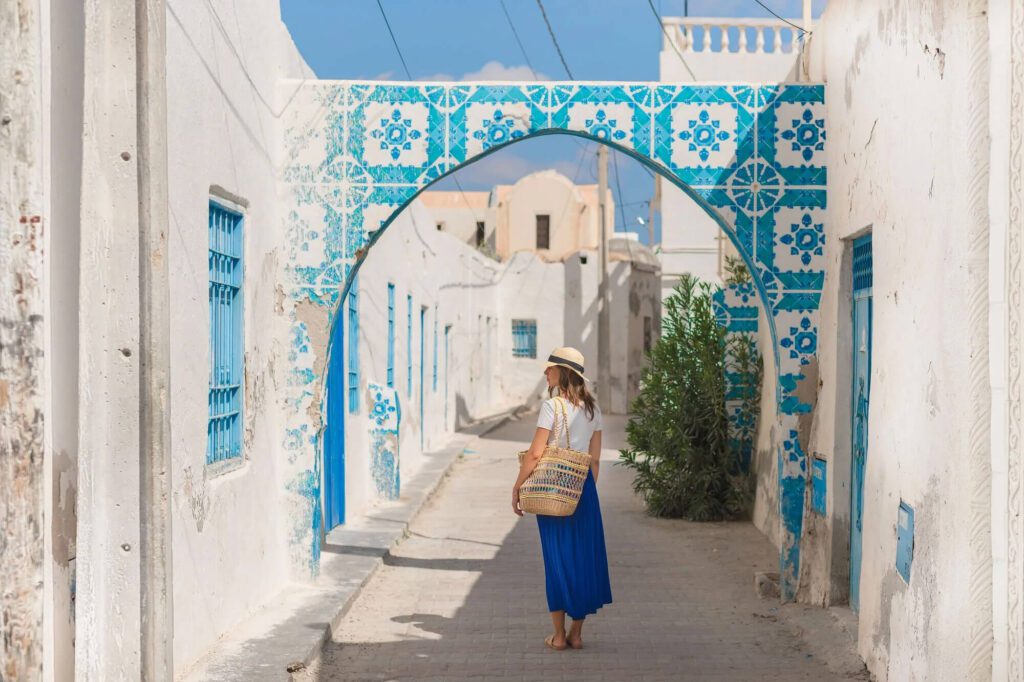
I don’t know exactly when the idea of a Tunisia tour took hold of me, but the more I researched, the more intrigued I became. Eventually I simply knew this was a country I had to experience.
And I was not disappointed.
I can still remember the sun at Dougga, the sense of awe, and how strangely it reminded me of Ephesus. El Jem completely captivated me. And then there was the blue Mediterranean, which I still need to return to properly for a beach holiday.
The thing about Tunisia is that I can’t quite pin it down.
At times it feels remarkably western. At others, you are reminded of its Islamic heart. And then, preserved almost everywhere, there is Roman history: amphitheatres, mosaics, columns and entire cities, all reminders of how often the world changes hands.
Tunisia does not perform for tourists. It is simply there, doing what it has always done. That is rare, and it is exactly what makes it worth the effort.
The routing is deliberate. Tunisia changes quickly, and I wanted enough time in each part of the country to feel that shift. The free day in Hammamet is there on purpose.
Every century seems to have left something behind.
That is what makes Tunisia so interesting to me. Not one image. Not one story. Layers.
Elizabeth
Seagull Travel & Tours
Is This Journey Right for You?
The Distances
Some days cover significant ground by road. Tunisia is compact but varied, and reaching the south from the coast and returning north involves long and rewarding driving days. The vehicle is air-conditioned, stops are built in, and the landscapes make the distance worthwhile.
The Walking
Several days involve extended time on foot: through medinas, across archaeological sites with uneven ground, and along village lanes. Good mobility and properly worn-in walking shoes are essential.
The Climate
April is ideal. Warm and clear, with daytime temperatures around 22 to 25 degrees Celsius. Evenings can be cool, particularly in the south. A light layer for mornings and nights is recommended. This is not a summer tour.
The Pace
The itinerary moves, but it also stops. There is a free day in Hammamet, deliberately placed in the middle of the journey. Some days are full. Others less so. The rhythm has been planned rather than assumed.
Who Is This Journey Designed For?
This journey suits travellers who enjoy understanding a place rather than simply collecting it. Not a beach week, and not a rushed highlights tour. A carefully planned route through a country that has more depth than most people realise, at a pace that allows that depth to become visible.
We travel as a small group, with the same English-speaking guide throughout the journey. The practical details are managed on your behalf. Hand-picked accommodation has been chosen for its position in the journey as much as its comfort. Guests may opt out of any activity provided the tour leader is informed so that group timing remains smooth.
What to Pack
Layers
Spring temperatures vary. Mornings in the south can be cool; afternoons in Hammamet will be warm. A light jacket, knitwear and scarves are practical throughout.
Walking Shoes
Properly worn-in and comfortable. Not new. You will be on your feet for long stretches across medina cobblestones, archaeological sites and uneven terrain.
Modest Dress for Religious Sites
Tunisia is a Muslim country and mosques and shrines require covered shoulders and knees. A light pashmina or long cardigan works well and packs flat. Non-Muslims may enter many but not all religious sites; your guide will advise on the ground.
Smart Casual Evenings
Neat but relaxed attire for welcome and farewell dinners. Dar El Jeld in Tunis has a real sense of occasion; dressing for it adds to the evening.
Currency
Tunisian Dinars must be purchased in-country. Plan to exchange on arrival and spend what you have before departure: it is prohibited to take Tunisian Dinars out of the country. Detailed guidance is provided before departure.
Travel Adaptor
Tunisia uses Type C and Type E plugs. A universal adaptor is useful.
The Reading Room
Tunisia rewards arriving with a little context.
To Read: Carthage Must Be Destroyed by Richard Miles
The definitive history of Carthage, from its founding as a Phoenician trading post to its destruction by Rome. Dense in the best sense, and it transforms the Day 11 visit to the Carthage ruins from a pleasant ruin into one of the great stories of the ancient world.
To Read: The Sheltering Sky by Paul Bowles
A novel set across North Africa, with the Sahara as its emotional centre. Not a guidebook. But it captures something true about the scale, silence and disorientation of desert travel. Useful preparation for the days in the south.
To Watch: The English Patient (1996)
Partly filmed in Tunisia and the Tunisian Sahara. The desert sequences were shot in landscapes not far from the places you will see on Days 5 and 6. It is a useful companion to the light and silence of Chott El Jerid.
Frequently Asked Questions
How does tipping work?
We confirm the gratuity amount before departure and include it in your final travel documents. Your Seagull tour leader collects the amount at the start of the tour and manages gratuities for local guides, drivers and relevant service staff on behalf of the group.
Do South Africans need a visa for Tunisia?
South African passport holders do not require a visa to enter Tunisia for stays of up to 90 days. We advise confirming requirements for other passport nationalities at the time of booking, as policies can change.
What currency should I bring?
The Tunisian Dinar is the local currency. It must be purchased in-country; it is not available outside Tunisia and cannot be taken out of the country legally. Please note that booking payments to Seagull are not accepted by credit card.
What is the difference between a Seagull tour leader and a local guide?
The Seagull tour leader manages the overall flow of the journey, group rhythm and practical arrangements on the ground. Alongside the tour leader, the same licensed, English-speaking guide accompanies the group throughout Tunisia, providing historical and cultural expertise across the whole route.
How active is this journey?
The tour is moderate and active. Several days involve extended walking across medinas, archaeological sites and uneven terrain. Good general mobility and properly worn-in footwear are required. Some driving days are long and rewarding; the vehicle is comfortable and stops are built in.
What about food restrictions or dietary requirements?
Tunisian cuisine is varied, flavourful and largely meat-based. Vegetarian options are available throughout, and we communicate dietary requirements to all hotels and restaurants in advance. Please advise us of any requirements at the time of booking.
Can I join from outside Johannesburg?
Yes. The quoted airfare is based on Johannesburg, but we can advise on international join arrangements if you are travelling from another South African city or from outside South Africa.
Can South African expats join?
Yes. We coordinate international join arrangements for travellers meeting us from outside South Africa, including South Africans living in Namibia, Zimbabwe, the UK, Australia, Europe or elsewhere.
How many people will be on the tour?
This is a small group tour. The pricing and routing have been designed for a group of no more than 12, the size at which the vehicles, guides and hotel arrangements function properly.